Paris, Prague & Germany's Hidden Gems
12 Days | Paris to Prague
2027 | Juxtapose the capital cities of Paris and Prague with tucked-away towns along the Rhine and Moselle Rivers.
Learn More
Choose when you want to travel
Treat yourself to the ultimate sampling of central European delights on this special sailing, departing only once in 2027! Start on the Rhine River, where you’ll be granted early entry to a mesmerizing digital art experience in Amsterdam, hike amongst the treetops of Bamberg, and sample altbier in Düsseldorf. Cross Germany via the Main River to make your own wine in Franconia and explore a grand countryside estate, where you’ll be welcomed by the Baron who calls it home. Two full days in Vienna, with overnight stays to allow for deeper discoveries, are the crown on top of this unforgettable travel experience.
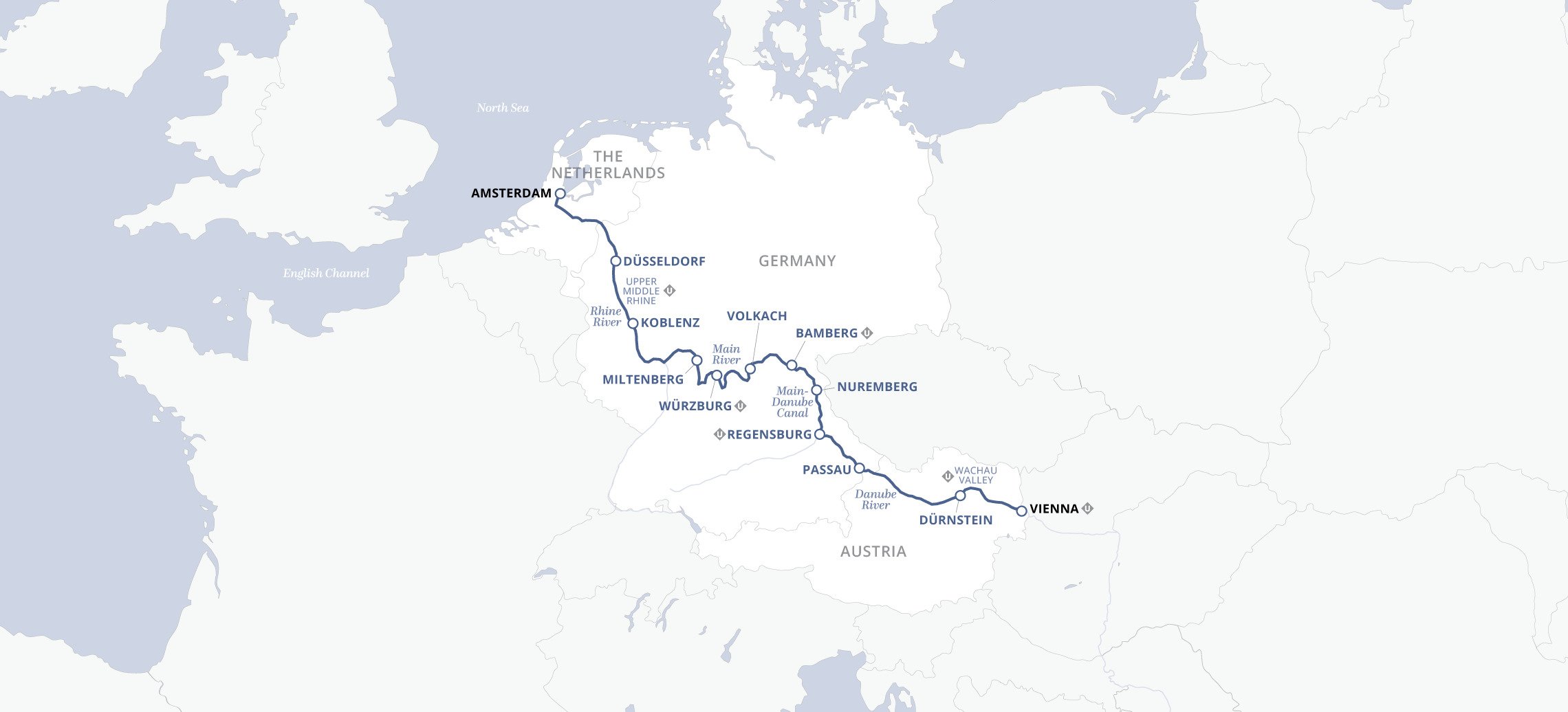
This day-to-day schedule is subject to change. Your official Schedule at a Glance will be delivered with your cruise e-documents 21-30 days prior to embarkation.
Day 1
Amsterdam (Embark)
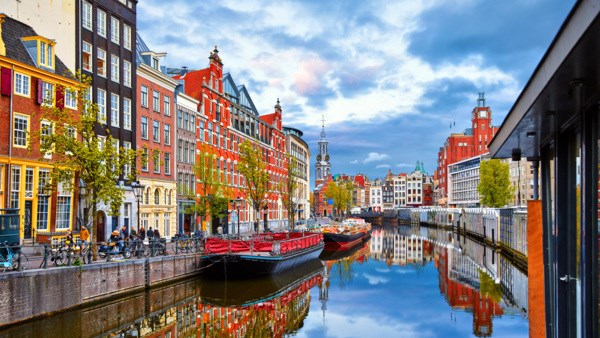
Arrive at Amsterdam Airport Schiphol. If you have arranged a Uniworld arrival transfer, you will be greeted by a Uniworld representative and transferred to the ship.
Day 2
Amsterdam
The Netherlands’ largest city, Amsterdam has been an international port and financial center for 400 years, endowing it with a lively cosmopolitan feeling to match its historic architecture.
This evening, a special Captain’s Welcome Reception and Dinner will be prepared for you.
MAKE TRAVEL MATTER® Experiences
The Red Light District—or, as it is referred to locally, De Wallen—has been the center of...
Read More
MAKE TRAVEL MATTER® Experiences
The Red Light District—or, as it is referred to locally, De Wallen—has been the center of Amsterdam’s sex work industry for several hundred years. It’s famous for the neon lights, partygoers, and “coffeeshops” that proliferate in the area, as well as the windows where some of the sex workers stand to attract clients. Today, you’ll visit the Prostitution Information Center to discover the important work they’re doing to educate visitors on the lives of sex workers for a respectful take on the popular Red Light District tour. Meet one of their experts, a current De Wallen sex worker, for a fascinating talk on the history of the district and her story. After, she will give you pointers on places to explore in the area (guided walking tours past the windows are not allowed here), followed by a Q&A back at the center.
This MAKE TRAVEL MATTER® Experience supports Global Goal 4: Quality Education; and Global Goal 5: Gender Equality.
Our MAKE TRAVEL MATTER® Experiences support sustainable tourism, offering our guests opportunities to directly impact the communities we explore in a positive way.
Start your day with a visit to Westergasfabriek, a 19th-century gas factory that has long since...
Read More
Start your day with a visit to Westergasfabriek, a 19th-century gas factory that has long since been abandoned, reclaimed, and transformed into a thriving cultural space. Many festivals and galleries are hosted here, including the stunning Fabrique des Lumières. The “Factory of Lights,” as it translates, is an immersive digital art experience. A complex system of projectors covers every surface of the factory’s interior with larger-than-life displays of art.
Day 3
Düsseldorf
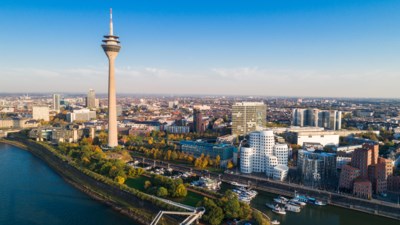
Discover Düsseldorf, a small city with a big-city atmosphere—picture a modern setting where plentiful green spaces merge with cutting-edge architecture, art, luxury shopping, an exciting bar and restaurant scene, and a penchant for the avant-garde.
Düsseldorf is seven centuries old, and that history lurks around every corner, but the skyline is...
Read More
Düsseldorf is seven centuries old, and that history lurks around every corner, but the skyline is thoroughly modern. Within all the dazzling contemporary architecture there are excellent clubs and innovative restaurants. The traditional heart of the city, and one of Germany’s most famous nightlife districts, is the Old Town, which you will explore in-depth during this walking tour, including the scenic Rheinuferpromenade along the waterfront. After your walking tour, you’ll be treated to a tasting of the city’s trademark beer, a malty brew known as “Altbier.”
Day 4
Rüdesheim, Mainz
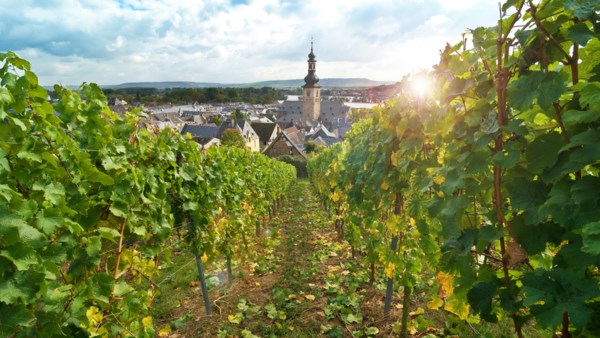
Experience the most spectacular scenery on the Rhine this morning as you cruise past the famous Middle Rhine Valley. Later, explore the enchanting town of Rüdesheim. Like many cities along the Rhine, Rüdesheim dates back to Roman times, when the Rhine was the northern border of the empire. Today, Rüdesheim is famous for its beauty and its entertaining alley of shops and wine bars called the Drosselgasse.
Board a little train for a charming ride through Rüdesheim. The train will pick you up outside the...
Read More
Board a little train for a charming ride through Rüdesheim. The train will pick you up outside the ship and begin a comprehensive drive through town, passing the famous Drosselgasse and other must-see sights along the way. Take note of your favorite spots as you go, because you’ll have free time to explore on your own at the end of the ride.
Day 5
Miltenberg
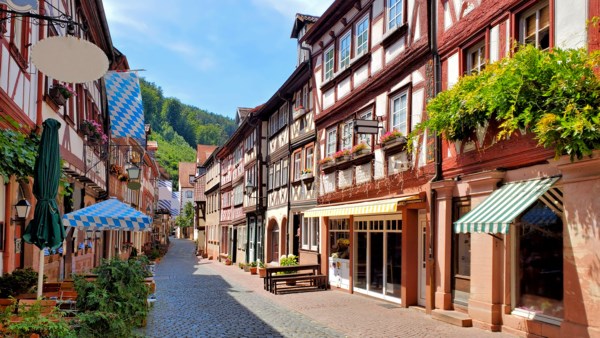
The perfect German village calls for a day full of quintessential German experiences. Resting on the left bank of the Main, Miltenberg is classically quaint with its charming squares, farmland, biking and pedestrian paths, impressive castles, and one of Germany’s oldest inns.
Day 6
Würzburg
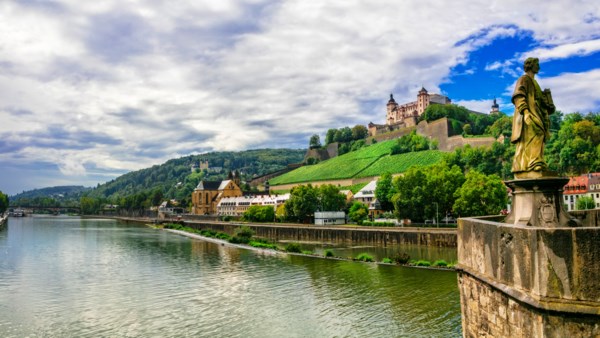
Your ship will dock in the charming Franconian town of Würzburg, where you can visit the extraordinary Würzburg Residence, one of the most opulent baroque palaces in Europe.
This incredibly lavish 18th-century palace was created under the auspices of two Schönborn...
Read More
This incredibly lavish 18th-century palace was created under the auspices of two Schönborn prince-bishops, Lothar Franz and Friedrich Carl, who brought enormous knowledge and passion, as well as a budget for the best, to the project. Over the course of 60 years, they fostered the creation of a 300-room palace that contains jaw-dropping baroque art. The magnificent grand staircase boasts the world’s largest ceiling fresco, painted by Giovanni Battista Tiepolo. Portions of the building were damaged by Allied bombing in 1945, but, fortunately, most of the historic furnishings had been stored off-site and key rooms were unharmed, so you can see the original—and matchless—artwork, gilding, and statuary. Check out both the spectacular Hall of Mirrors and the imposing Imperial Hall, which boasts a large oval dome and 20 half-columns. Even the gardens have been restored, right down to the topiary fruit trees in the kitchen garden, which are re-creations of the trees grown there in the 18th century.
Note: Visitors may not take photos or videos or carry backpacks inside the Würzburg Residence.
Day 7
Volkach
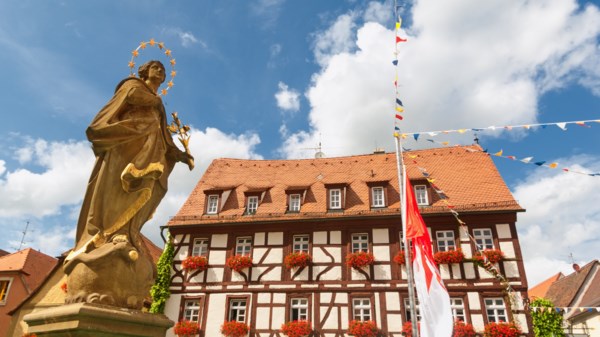
Your day brings you to Volkach and the heart of the Franconian wine country. It’s a region full of overwhelming natural beauty, rooted communities, marvelous flavors, and villages that have been making wine for countless generations.
Day 8
Bamberg
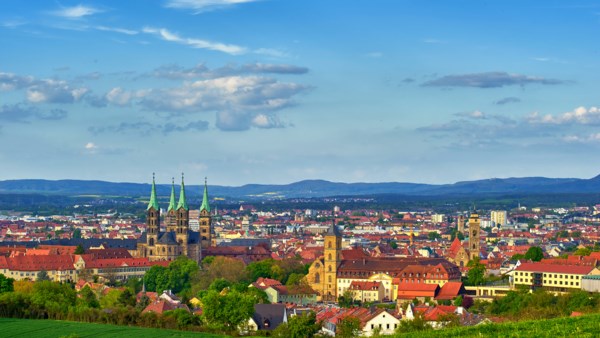
Bamberg has often been regarded as one of Germany’s most attractive settlements, with its picturesque architecture, intersecting canals and rivers, and charming stores and restaurants. Like Rome, the city is built on seven hills—but in Bamberg, a church tops each one.
Now a pleasant city with a lively student population and a world-famous symphony orchestra, Bamberg was...
Read More
Now a pleasant city with a lively student population and a world-famous symphony orchestra, Bamberg was the center of economic and political life for a huge swath of Central Europe in the Middle Ages. Spared WWII bombing, the entire heart of historic Bamberg is a UNESCO World Heritage Site. The medieval layout of the city remains intact, along with 2,000 historic buildings; it is yours to explore today. In the splendid late- Romanesque Imperial Cathedral you will find the only papal tomb in Germany, that of Pope Clement II (who was the bishop of Bamberg before he became pope), as well as the tomb of Emperor Henry II (who established the bishopric). Near it is the magnificent Old Palace, the late-Gothic imperial residence (if you saw the 2011 3-D version of The Three Musketeers, you’ll recognize it immediately), which sits across from the New Residence, where the 17th-century prince-bishops lived, separated by a lovely rose garden. Cross the cobblestone footbridge to the Old Town Hall, which is adorned with colorful frescoes, and ramble along the narrow lanes lined with picturesque half-timbered houses.
Venture into the Steigerwald Nature Park to experience the forest from a completely different...
Read More
Venture into the Steigerwald Nature Park to experience the forest from a completely different perspective—high up in the treetops. A wooden pathway winds around the trees, then spirals upwards to culminate in a 41-meter tower.
Along the way you’ll pass a deer park, live camera feeds into birds’ nests, learning stations, and a petting zoo. When you reach the top of the walkway, you’ll find yourself high above the forest, enjoying spectacular views of the countryside.
Day 9
Nuremberg, Roth
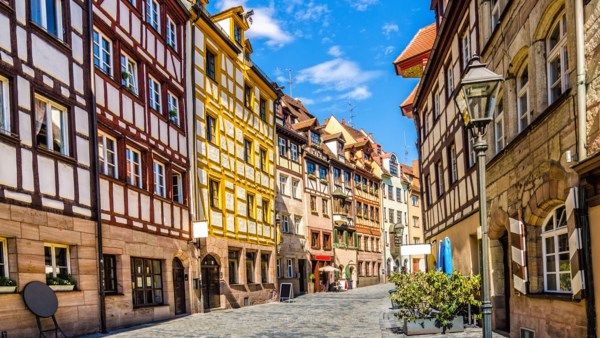
Head up to the top deck or find a seat with a good view—you won’t want to miss seeing the ship navigate its way through a marvel of modern engineering, the Main-Danube Canal. A formidable set of locks, 16 in all, lifts your ship to the crest of the European “continental divide.” Arrive in the archetypal medieval German city of Nuremberg. Nuremberg is justifiably famous for its gingerbread and pocket watches, and it was also the site of some key moments in 20th-century history.
Hitler considered Nuremberg the perfect expression of German culture (partly because of its significance ...
Read More
Hitler considered Nuremberg the perfect expression of German culture (partly because of its significance in the Holy Roman Empire, which he called the First Reich), and so beginning in 1927, he chose to hold his massive rallies in the city. By 1933, his favorite architect, Albert Speer, had designed the vast Nazi Party Rally Grounds, where thousands upon thousands of Nazi troops saluted Hitler. (Leni Riefenstahl captured these events in her famous propaganda film Triumph of the Will.) Not all of Speer’s plans were executed, and some of his grandiose structures were bombed out of existence, but the remainder stand as vivid testimony to Hitler’s megalomania. A four-square-mile (10-square-kilometer) complex known as Zeppelin Fields contains parade grounds and a huge grandstand, the excavation site where a stadium for 400,000 people was begun—the hole is now filled with water.
Day 10
Regensburg
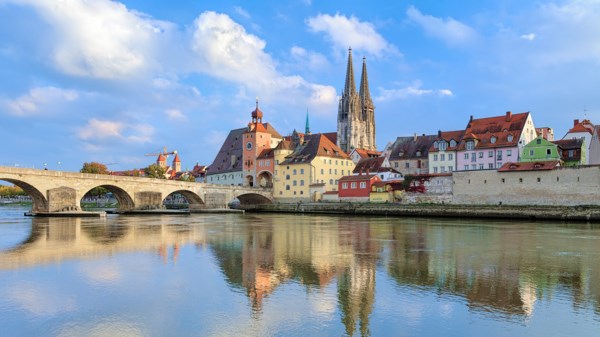
Bavaria’s first capital, Regensburg, owes its impressive historical lineage and rich architectural heritage to 600 years as a Free Imperial City, a fact recognized by UNESCO in 2006. Today, you’ll discover how the beautifully preserved medieval city coexists with a vibrant modern urban center.
Day 11
Passau, Engelhartszell
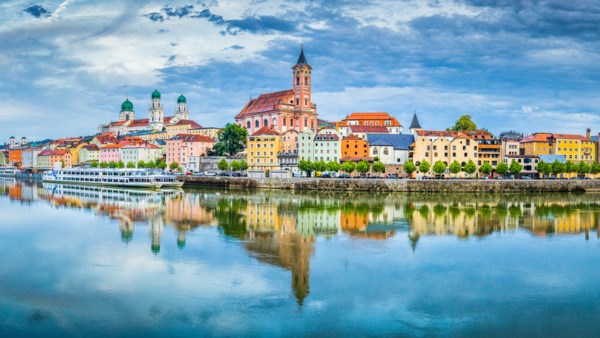
Located at the confluence of three rivers—the Danube, Inn, and Ilz— Passau is well known for its ornate baroque cathedral. Today, the city is unusually well preserved, having been spared the brunt of Allied bombing during WWII, as you’ll see on your walking tour.
The skyline of Passau is dominated by two buildings that owe their existence to the prince-bishops who...
Read More
The skyline of Passau is dominated by two buildings that owe their existence to the prince-bishops who ruled the city until 1803: the great fortress looming on a hill above the three rivers, home to the bishops until the 17th century, and the green onion domes of St. Stephen’s Cathedral. As you walk through the cobblestone streets toward those green onion domes, you’ll realize that Passau retains the layout of the medieval town.
However, many of the wooden medieval buildings burned to the ground in the 17th century, and the prince-bishops imported Italian artists to build a new cathedral and a magnificent new residence for the bishops themselves. As a result, these splendid structures flaunt Italian baroque and rococo style and ornamentation, complete with opulent gilding and wonderful frescoes. Your guide will introduce you to some of the architectural highlights—the rococo stairways of the New Residence; the cathedral; and the Town Hall, which boasts a magnificent atrium adorned with large paintings by Ferdinand Wagner—and make sure you get a close-up view of the point where the three rivers meet.
The Inn River rises in the Alps, near Innsbruck (hence the name of the famous Swiss ski resort) and...
Read More
The Inn River rises in the Alps, near Innsbruck (hence the name of the famous Swiss ski resort) and flows through three nations (Switzerland, Austria, and Germany) on its way to Passau, where it joins the Danube. While the Danube bike path may be Europe’s best-known route for bicyclists, the Inn River bike path, which follows the river from Innsbruck to Passau, has plenty of fans. The route through the Inn River valley outside Passau is an especially attractive stretch, with great views of the lovely countryside, picturesque villages, and the sparkling clear river itself. Your guide will make sure you know the local traffic and safety rules before you and your group set out along the partly flat and paved path. You’ll be traveling on both sides of the river, crossing between Germany and Austria as you cross the Inn, and your journey will include a comfort stop before returning to the ship. All in all, it’s an idyllic way to enjoy the scenery and get some exercise at the same time.
Day 12
Dürnstein
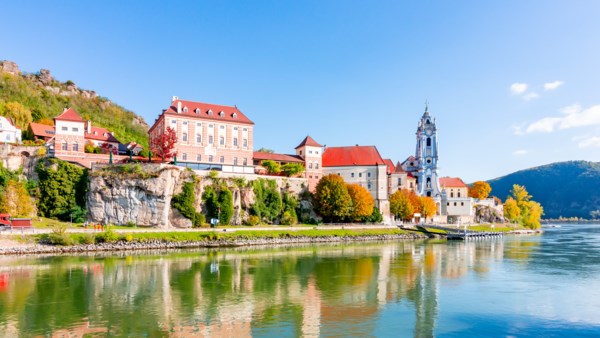
Dürnstein is one of our favorite towns along the Danube, a lovely place to wander cobblestone lanes and browse quaint shops. For your included tour today, opt for a tasting of organic wines or a private visit to Schloss Stetteldorf.
In the evening, a special Captain’s Farewell Reception and Dinner will be prepared for you.
MAKE TRAVEL MATTER® Experiences
There’s no better way to conclude your visit to the Wachau Valley than with a special tasting of...
Read More
MAKE TRAVEL MATTER® Experiences
There’s no better way to conclude your visit to the Wachau Valley than with a special tasting of organic wines at Nikolaihof, perhaps the oldest winery in Austria. The location itself is fascinating: One may encounter remnants of the first buildings on the site—an ancient Roman fort—and taste wines in a deconsecrated 15th-century chapel. Owned by the Saahs family, Nikolaihof is both oldest winery in Austria and the country’s oldest inhabited house, producing some of the world’s best Riesling and Vetliner varietals; in fact, the 1995 Riesling Vinothek, bottled in 2012, actually scored 100 points in The Wine Advocate, the first Austrian wine ever to rank that highly. It is also one of the first wineries in the world to produce biodynamically certified wines. No herbicides, fertilizers, pesticides, or synthetic sprays are used in the vineyards. The grapes are harvested by hand, fermented without artificial yeast, and stored in Austrian oak casks for up to 20 years. Furthering their environmentally-friendly mission, Nikolaihof even produces a cosmetics line out of the waste product from the wine production. The antioxidant-rich skincare products are the world’s first biodynamically certified grape cosmetics.
After your visit, discover Dürnstein on a stroll through town before returning to the ship. Considering its diminutive size, the village of Dürnstein offers much to explore. The famous blue baroque tower of the abbey church is doubtless its best-known landmark, but the ruined castle above the town provides its most romantic tale. There Richard the Lionheart was imprisoned until he was found by his faithful bard, Blondel, and ransom could be raised—or so the legend goes. Walk along the town’s narrow streets, past 16th-, 17th-, and 18th-century houses; it’s an up-close look at over 300 years of architecture.
This MAKE TRAVEL MATTER® Experience supports Global Goal 12: Responsible Consumption and Production.
Our MAKE TRAVEL MATTER® Experiences support sustainable tourism, offering our guests opportunities to directly impact the communities we explore in a positive way.
Day 13
Vienna
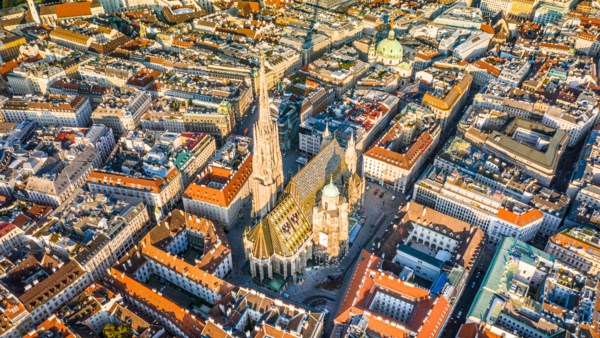
The grand dame of the Danube, Vienna was the heart of the Austro-Hungarian Empire and remains, to this day, the political and cultural center of Austria. Klimt painted here; Beethoven and Mozart composed here; Freud developed his theories here. It’s a treasure trove of splendid architecture, astonishing art collections, and inviting cafés—and today it is yours to explore.
Walk along Kärntner Street, the celebrated pedestrian boulevard that links the State Opera with St. ...
Read More
Walk along Kärntner Street, the celebrated pedestrian boulevard that links the State Opera with St. Stephen’s Cathedral, past the elegant shops on the Graben and the Kohlmarkt. The neighborhood offers a lively combination of historic architecture, street performances, shoppers’ delights, and true Viennese atmosphere.
Day 14
Vienna
Enjoy a full day exploring Vienna at your leisure. Your Cruise Manager is an excellent resource for local recommendations, whether you’re looking to do a little shopping, take a stroll through one of the city’s attractive parks, have a slice of cake with coffee at a classic Viennese café, or anything else your heart desires.
Day 15
Vienna (Disembark)
Check out and disembark the ship this morning. If you have arranged a Uniworld departure transfer, you will be transferred to Vienna International Airport for your flight home.
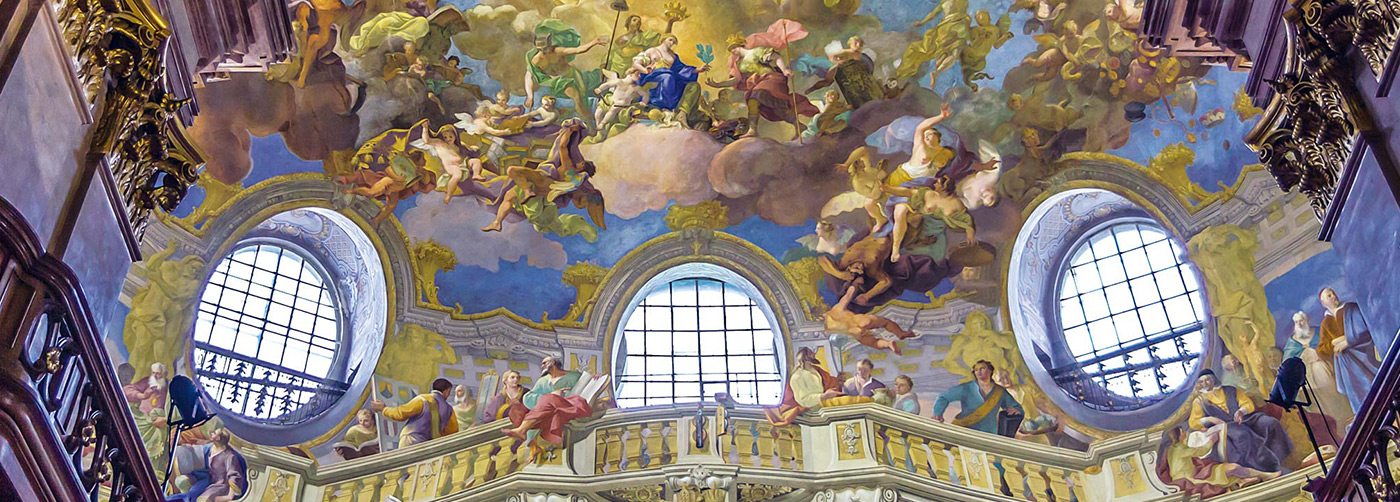
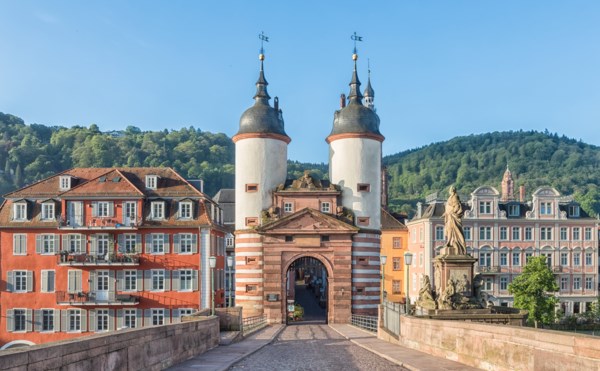
2027 | Juxtapose the capital cities of Paris and Prague with tucked-away towns along the Rhine and Moselle Rivers.
Learn More
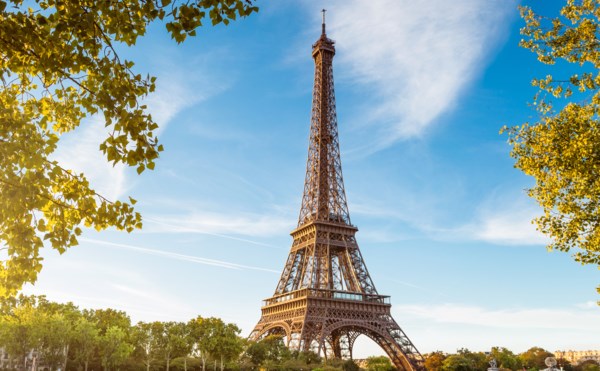
2027 | Discover the best kept secrets in Europe on a breathtaking journey through France, Germany, & Switzerland.
Learn More
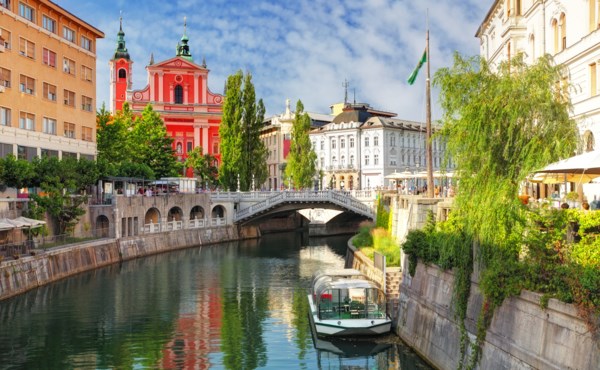
2027 | Pair the natural beauty of Slovenia with the romantic charm of Venice for a one-of-a-kind journey.
Learn More